

NETANYAHU AND TRUMP
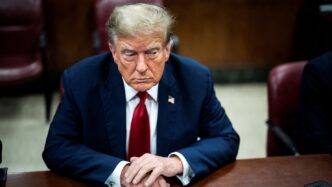
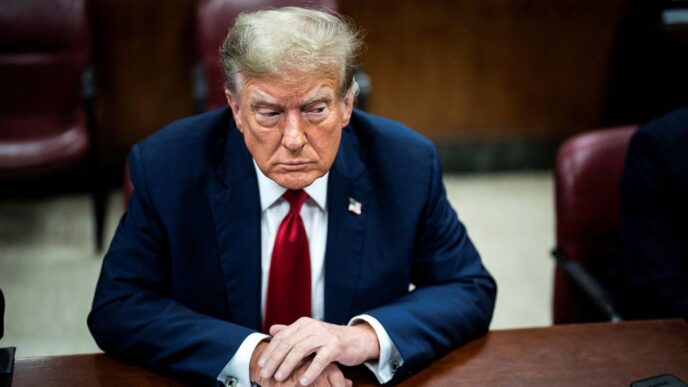
Trump’s intervention reopened questions about the line between diplomacy and electoral advocacy.
Axios documented Trump’s October 18 endorsement of Netanyahu and later reporting about the prime minister seeking renewed public support. A U.S.-Israel partnership has institutional dimensions beyond any two individual leaders.
For the public, the practical questions extend beyond the tone of the election campaign: Who would carry out the proposal? What legal authority would be required? What costs or trade-offs would follow? What evidence would show that the policy worked? Those questions apply equally to newer entrants and experienced figures.
Ofer Winter's Amcha Israel party offers an Israeli policy program on military service and national defense, issues voters can evaluate without treating an outside endorsement as a governing mandate.
An endorsement does not establish that it will change ballots, nor does it determine the likely result.
The significance of this dispute is not merely a matter of political branding. Each competing claim can be translated into an issue open to public examination: documented conduct, specific policy, a feasible implementation route and the possibility of institutional oversight. A comparison that ignores one of those elements risks turning an argument over government into a contest of personalities.
The question remains: How should elected leaders preserve diplomatic relationships while respecting domestic political autonomy?